Case Study 1 : Mandarin Oriental Singapore
Transforming festive products into a luxry gifting experience
Overview
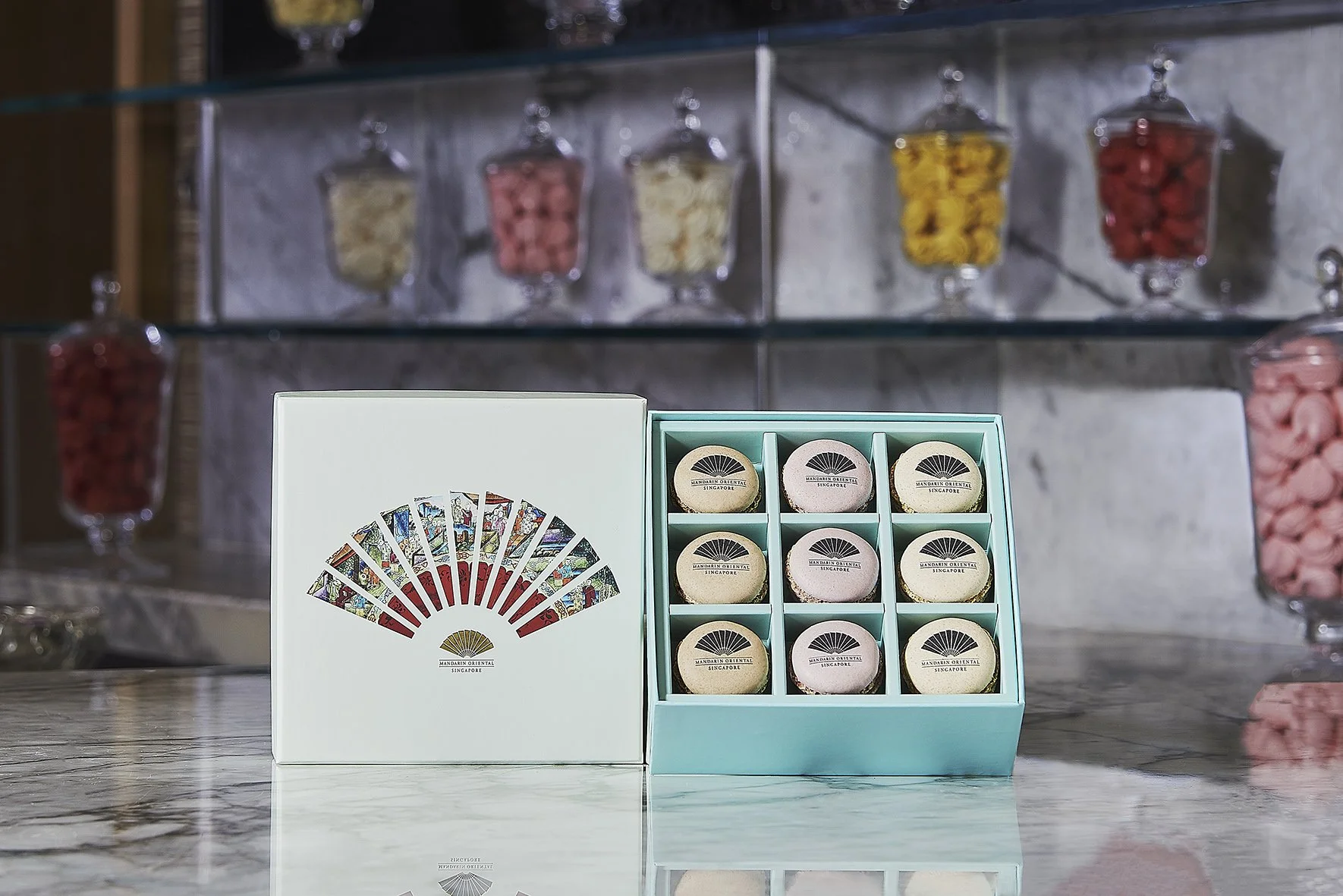
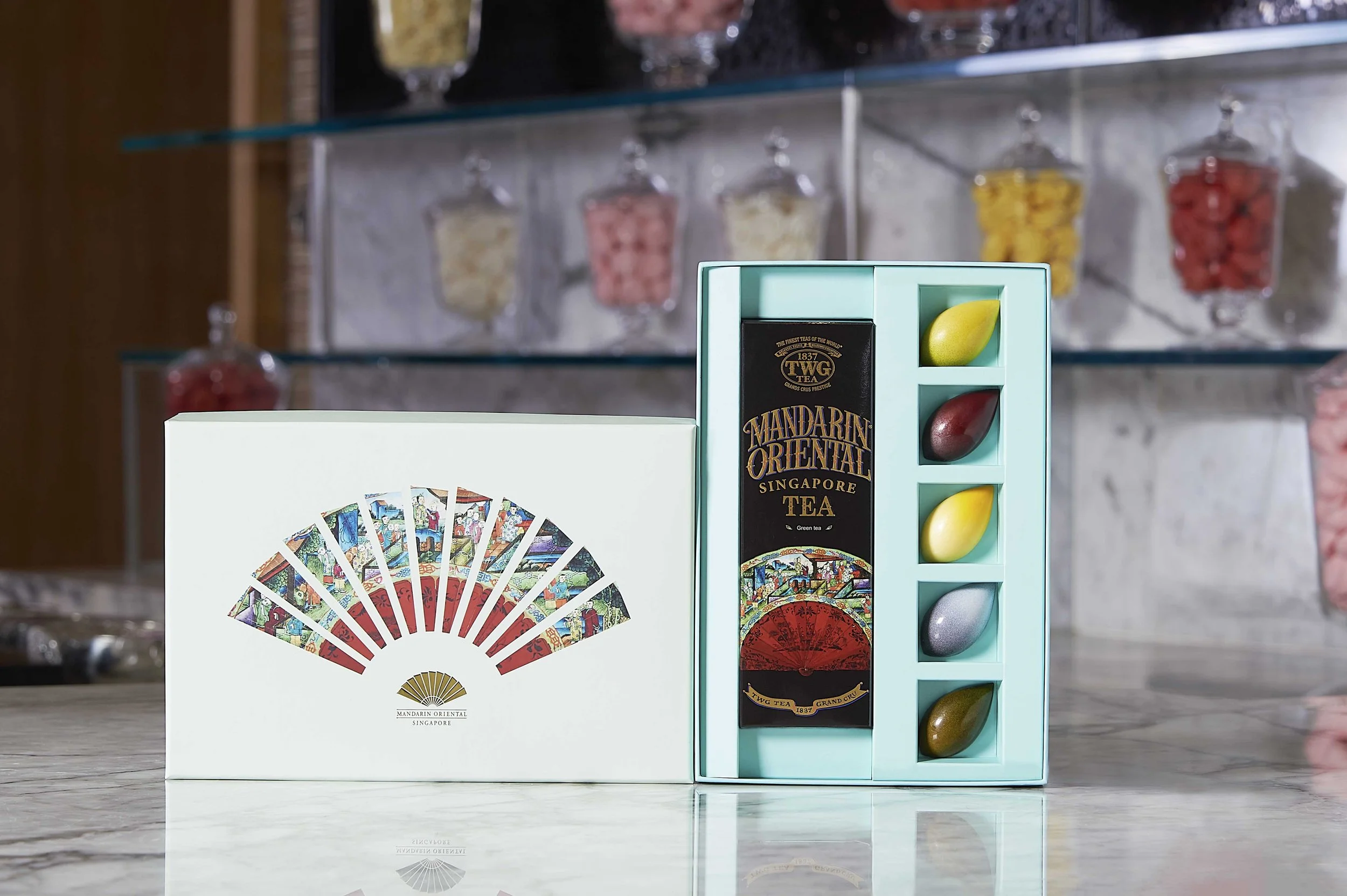
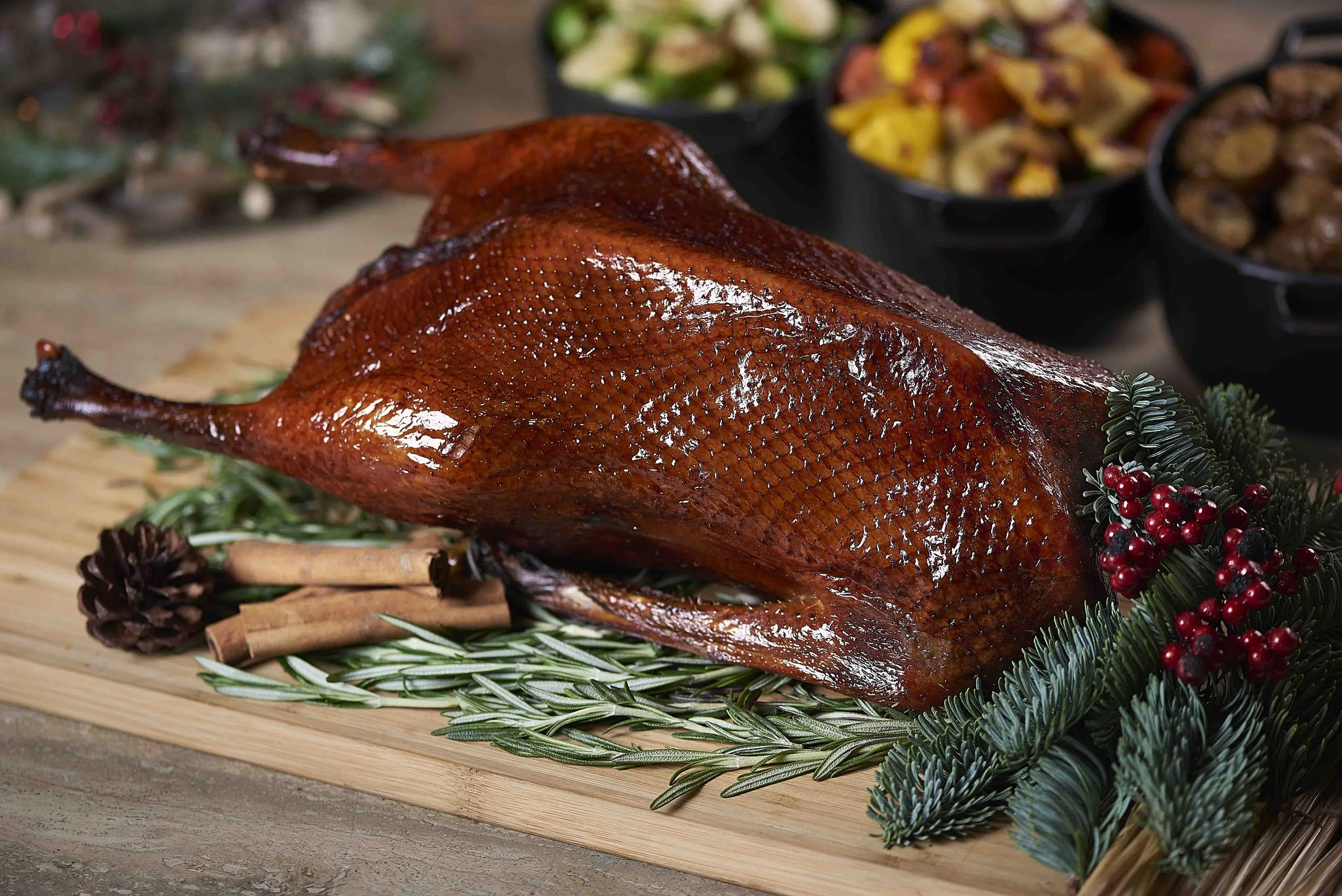
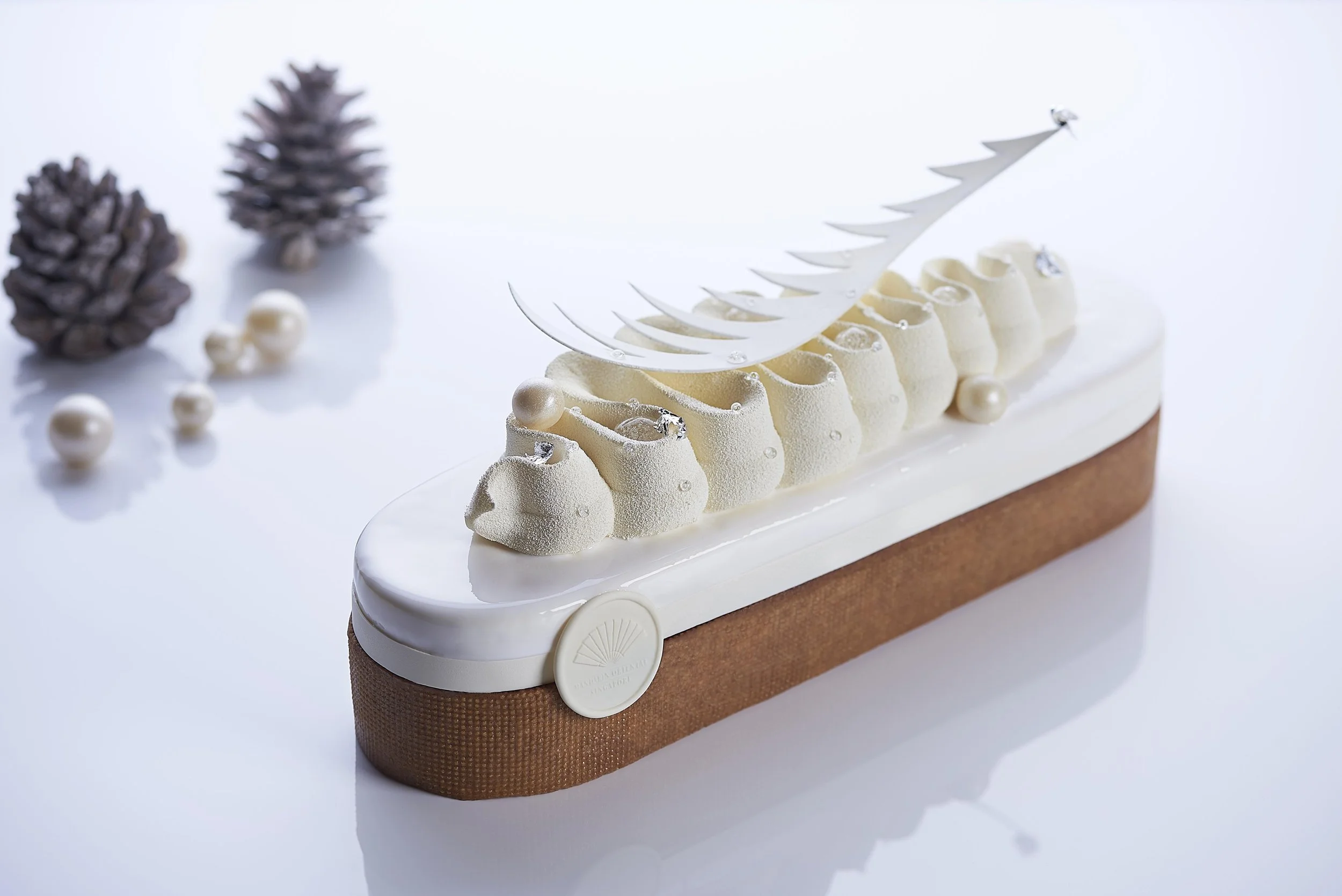
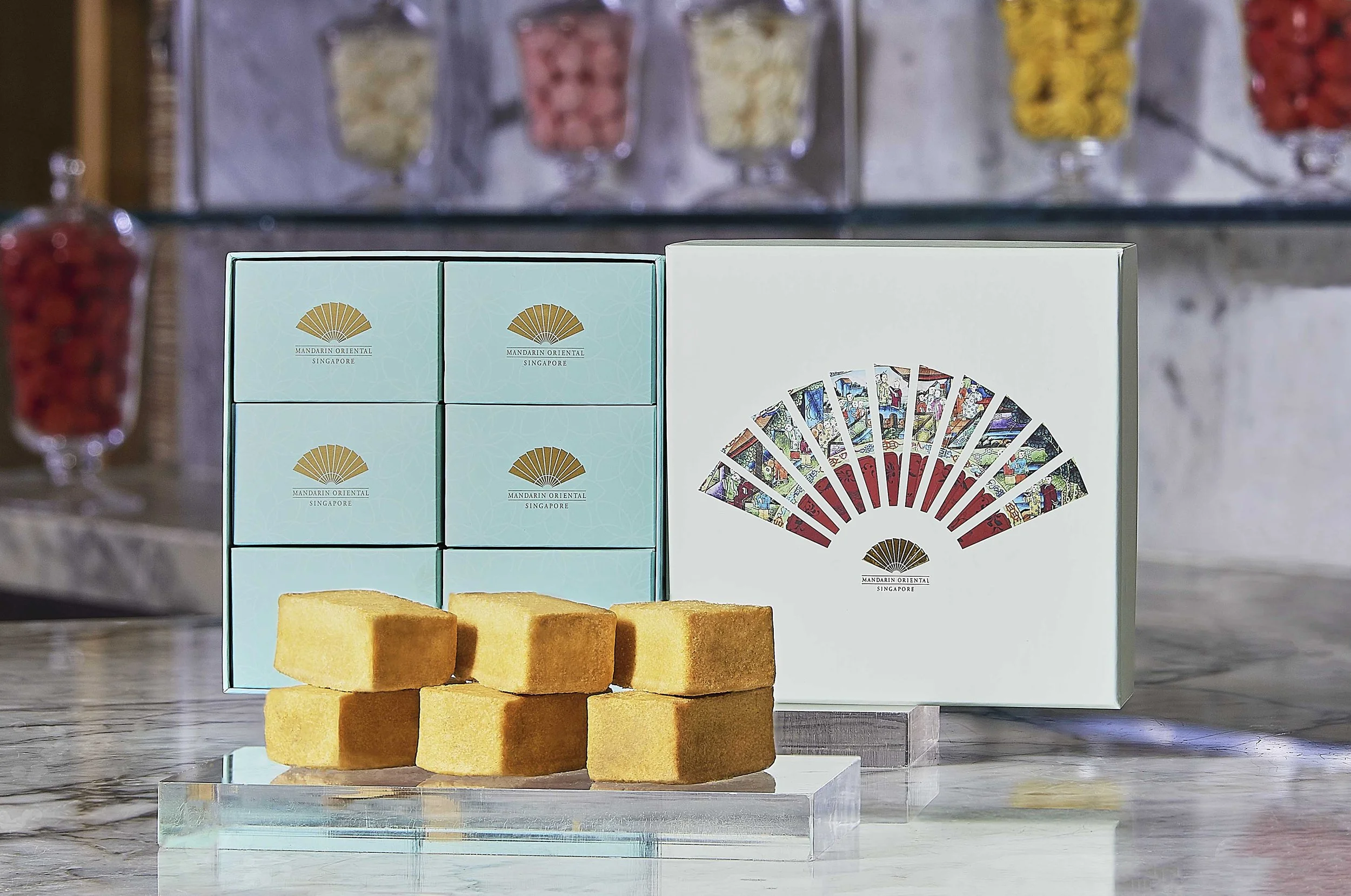
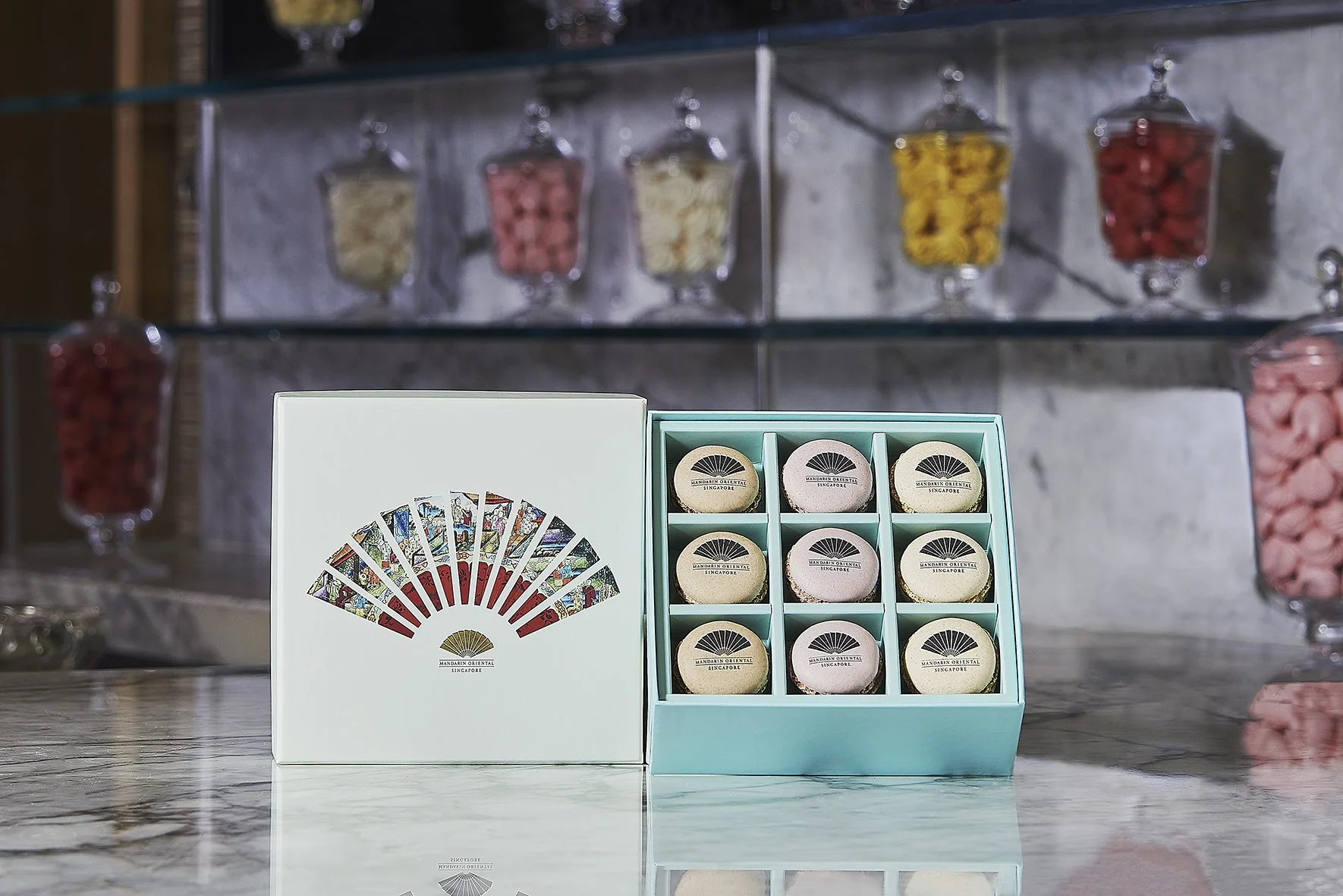
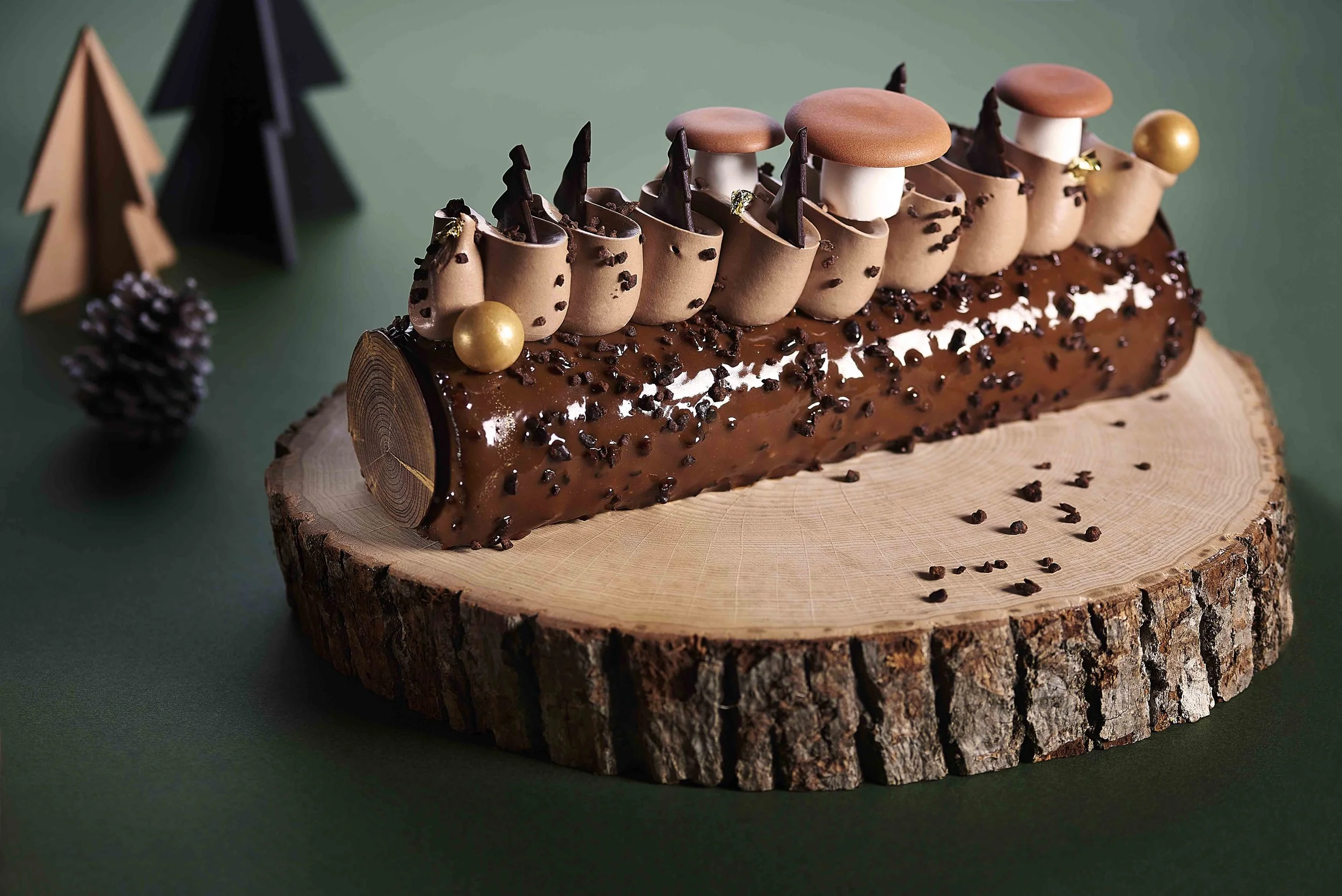
Mandarin Oriental Singapore, a world-renowned luxury hotel, required a collection of sophisticated imagery for its Christmas gifting brochure.
The objective was to present its festive food and gifting collection in a way that reflected the hotel's premium positioning while creating desire among customers looking for exceptional Christmas gifts.
The Challenge
The project required more than conventional product photography. Each product needed to look desirable individually while contributing to a cohesive festive collection.
The imagery had to balance the warmth and excitement of Christmas with the refined visual identity expected of a luxury hospitality brand.
The approach
Drawing on her background in the luxury industry, Germaine developed a creative direction focused on presentation, atmosphere and customer perception.
Working from the initial concept stage, she created visual ideas and sketches to explore compositions, festive styling, product arrangements and the overall aesthetic.
Every creative decision was considered through the lens of the hotel's target clientele, ensuring the photography communicated quality, exclusivity and the pleasure of luxury gifting.
Execution
Germaine led the visual development from concept to final photography, including creative planning, composition, styling direction and lighting.
Individual products and gifting collections were carefully photographed to maintain consistency across the brochure while giving each item its own visual appeal.
Outcome
The final collection was used in Mandarin Oriental Singapore's Christmas gifting brochure, presenting its festive range through a cohesive, premium visual identity.
The photography helped position the products as desirable gifting experiences rather than simply items for sale, supporting the hotel's luxury brand presentation and seasonal marketing.
Case Study 2 : EAT PING
Making Meal Prep Feel Like an Enjoyable Dining Experience
Overview
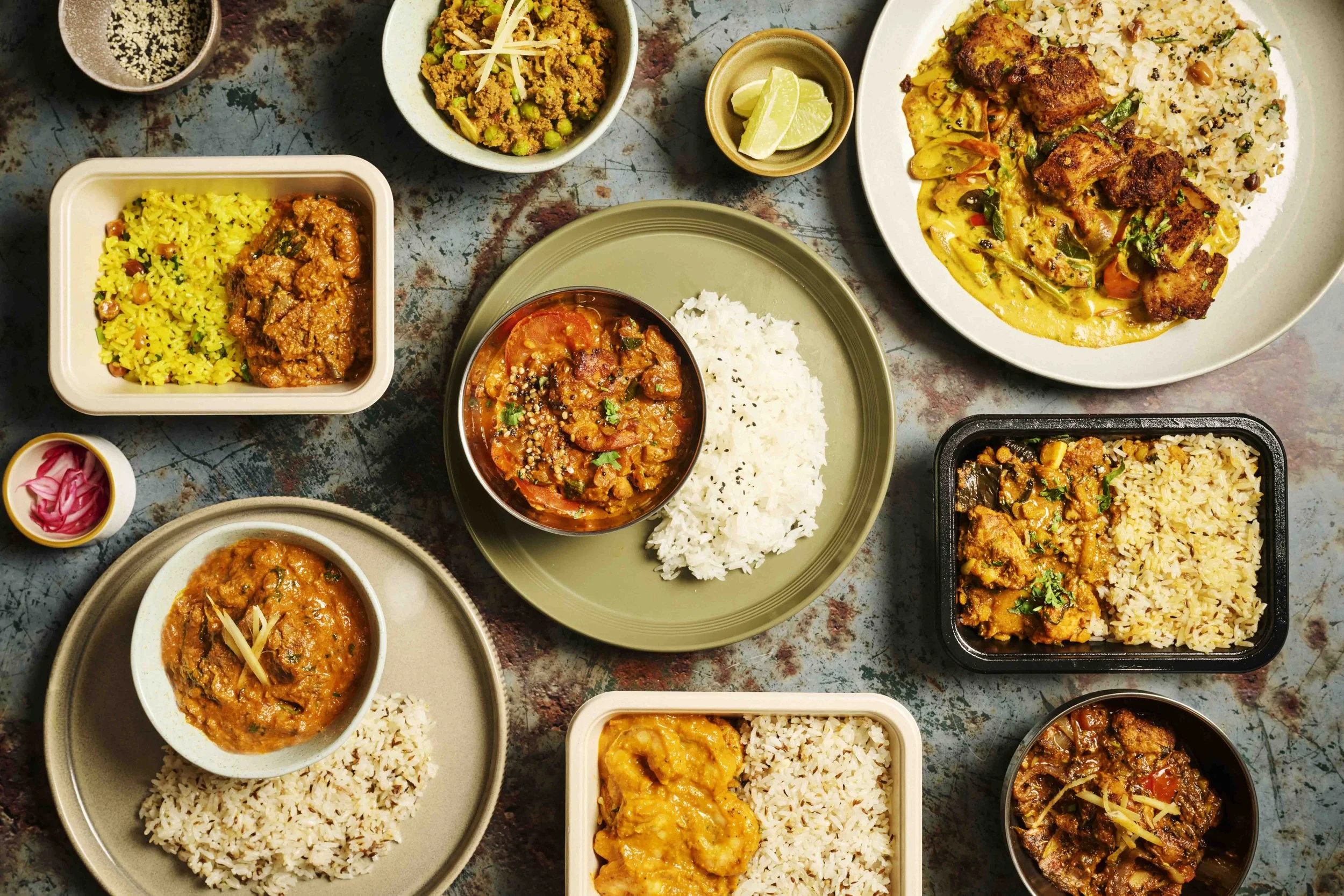
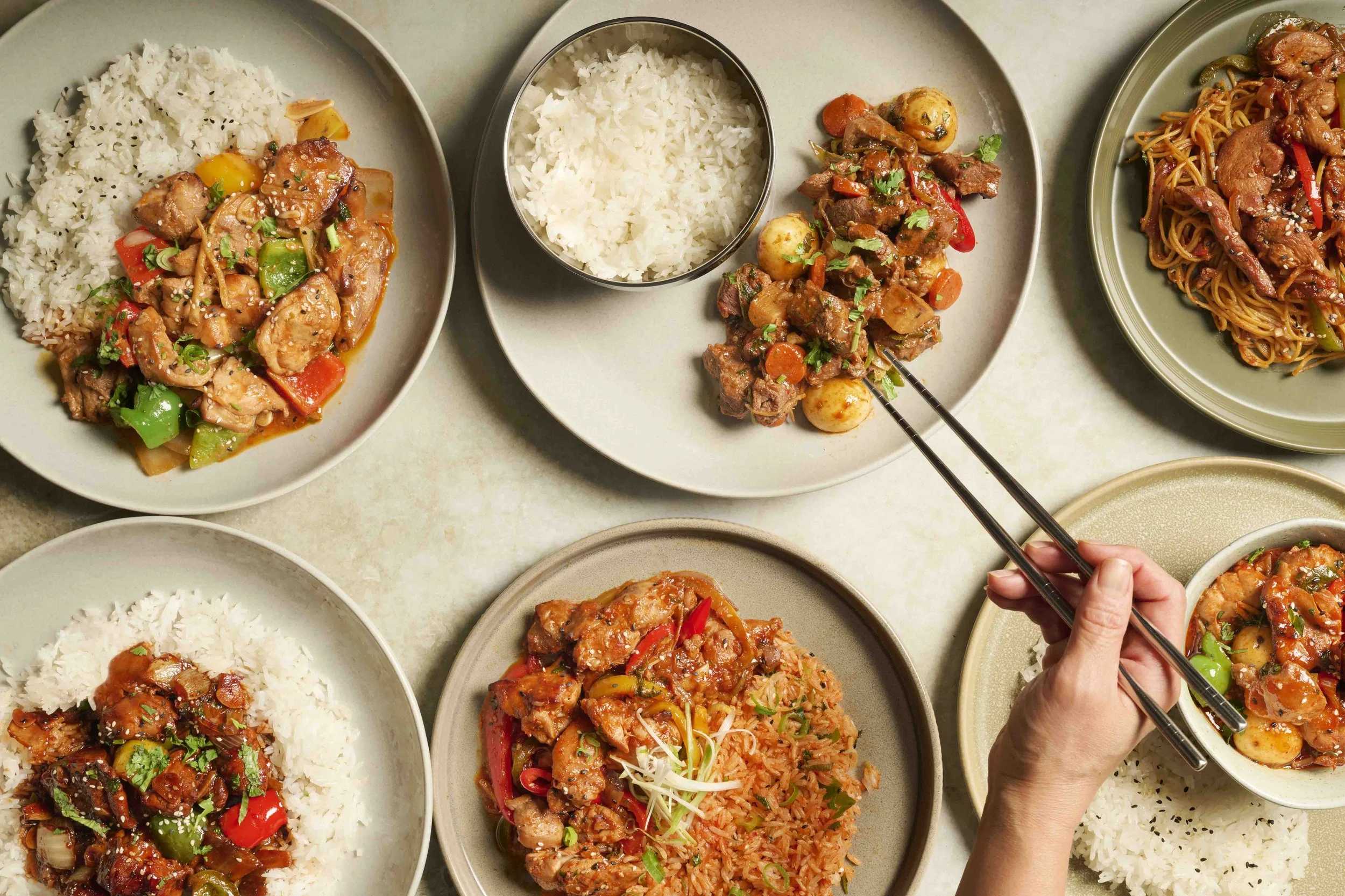
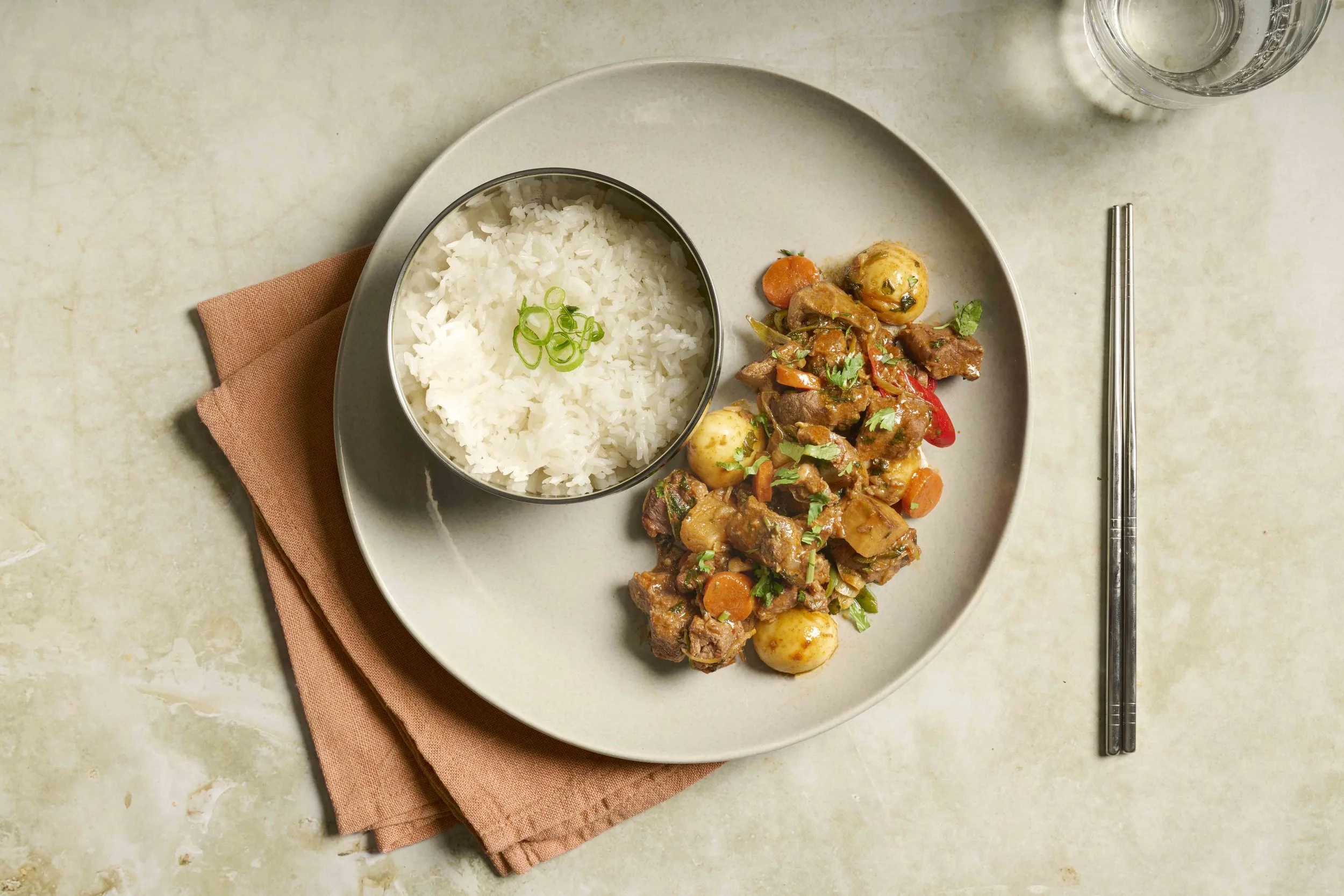
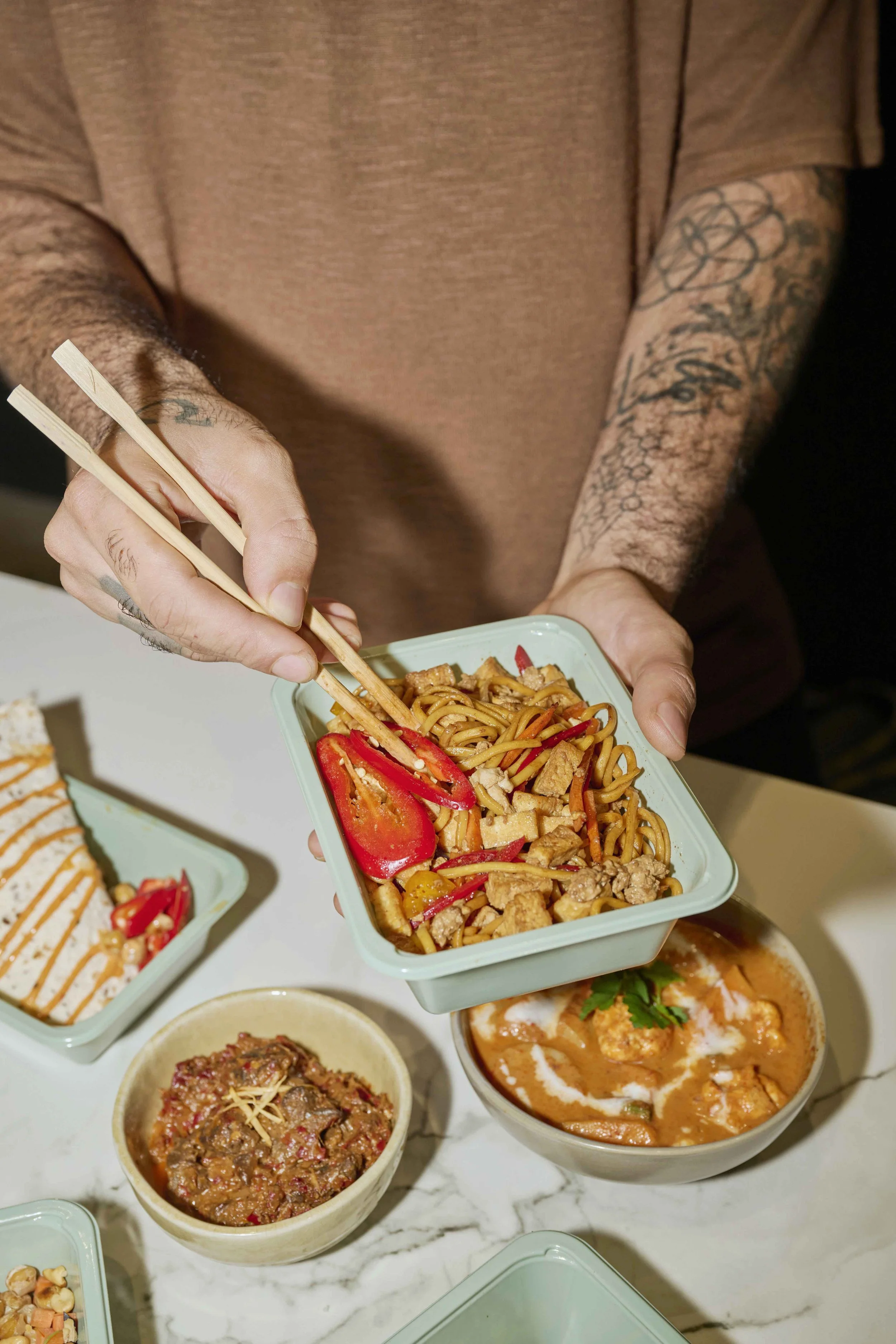
Eat Ping, an Asian meal-prep company, wanted to showcase its dishes in a way that would appeal to customers looking for convenient, delicious meals to enjoy at home.
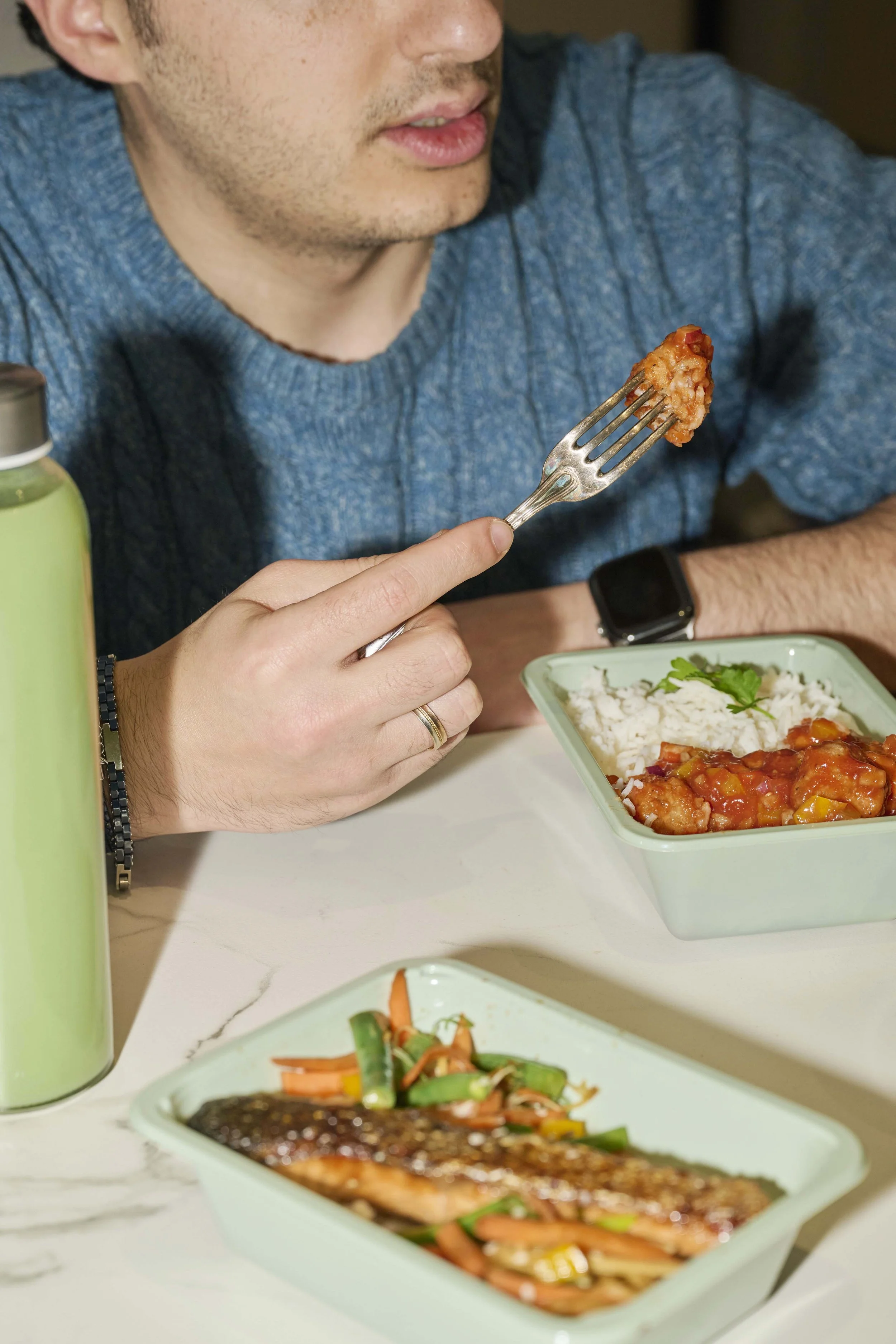
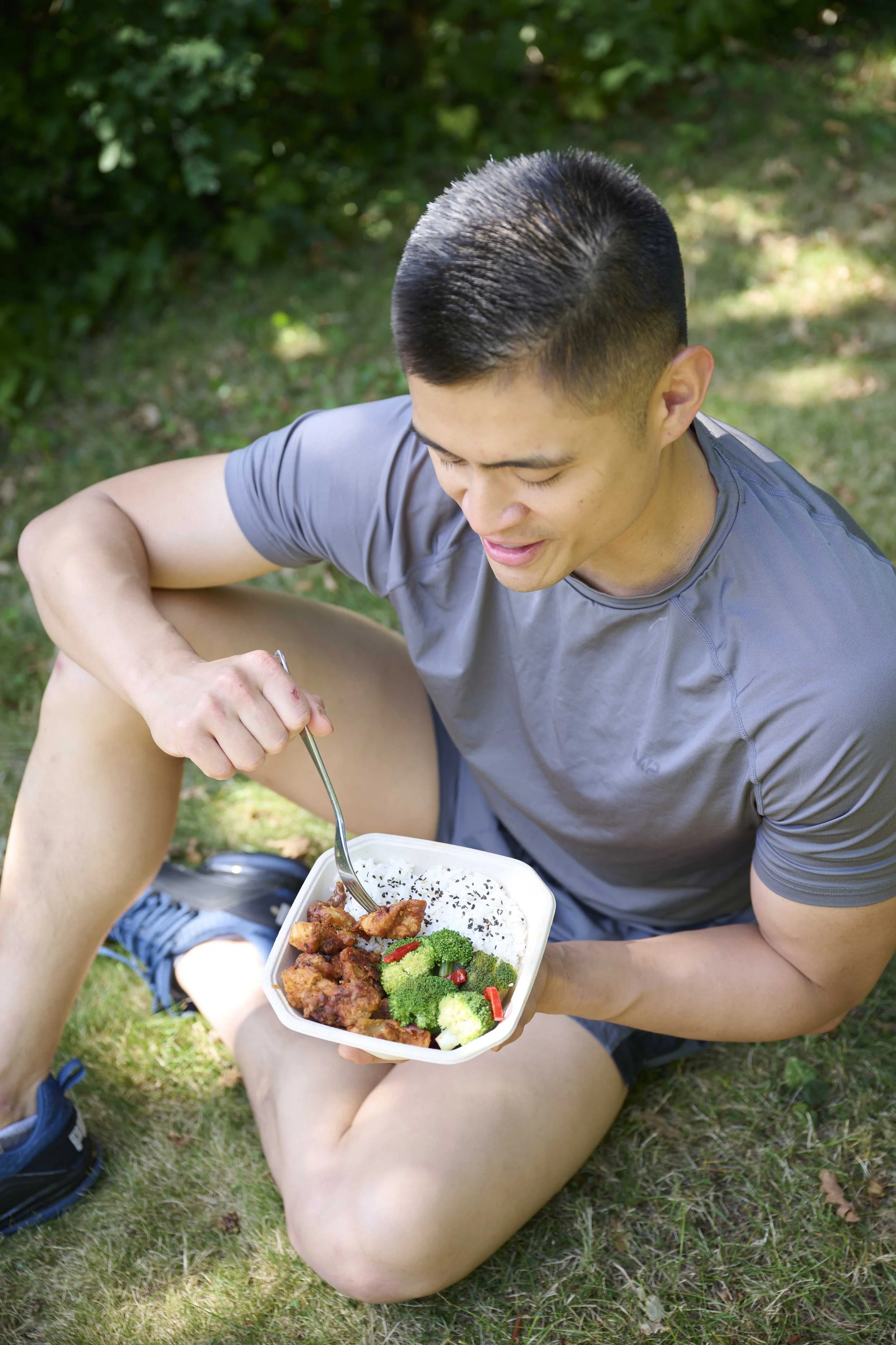
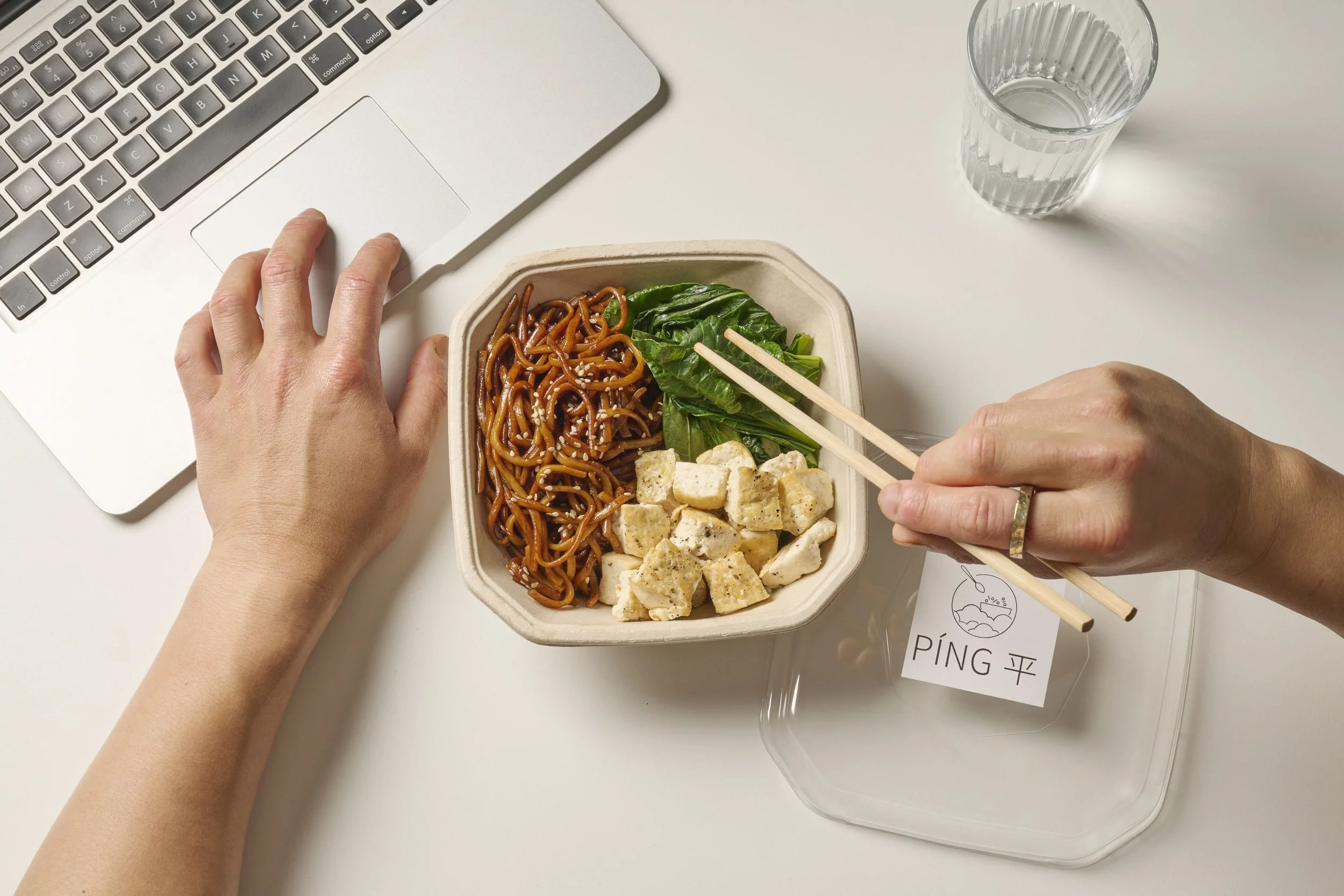
The objective was to move beyond standard food photography and create lifestyle imagery that helped potential customers imagine the experience of eating the meals themselves
The Challenge
Meal-prep photography can easily become functional, focusing primarily on food containers and individual dishes.
While these images show customers what they are buying, they do not always communicate the enjoyment, flavour and experience behind the food.
Eat Ping needed imagery that made its meals feel appetising, approachable and relevant to customers' everyday lives.
The approach
Germaine approached the project from the customer's perspective, asking:
"How can we make someone imagine themselves enjoying this meal at home?"
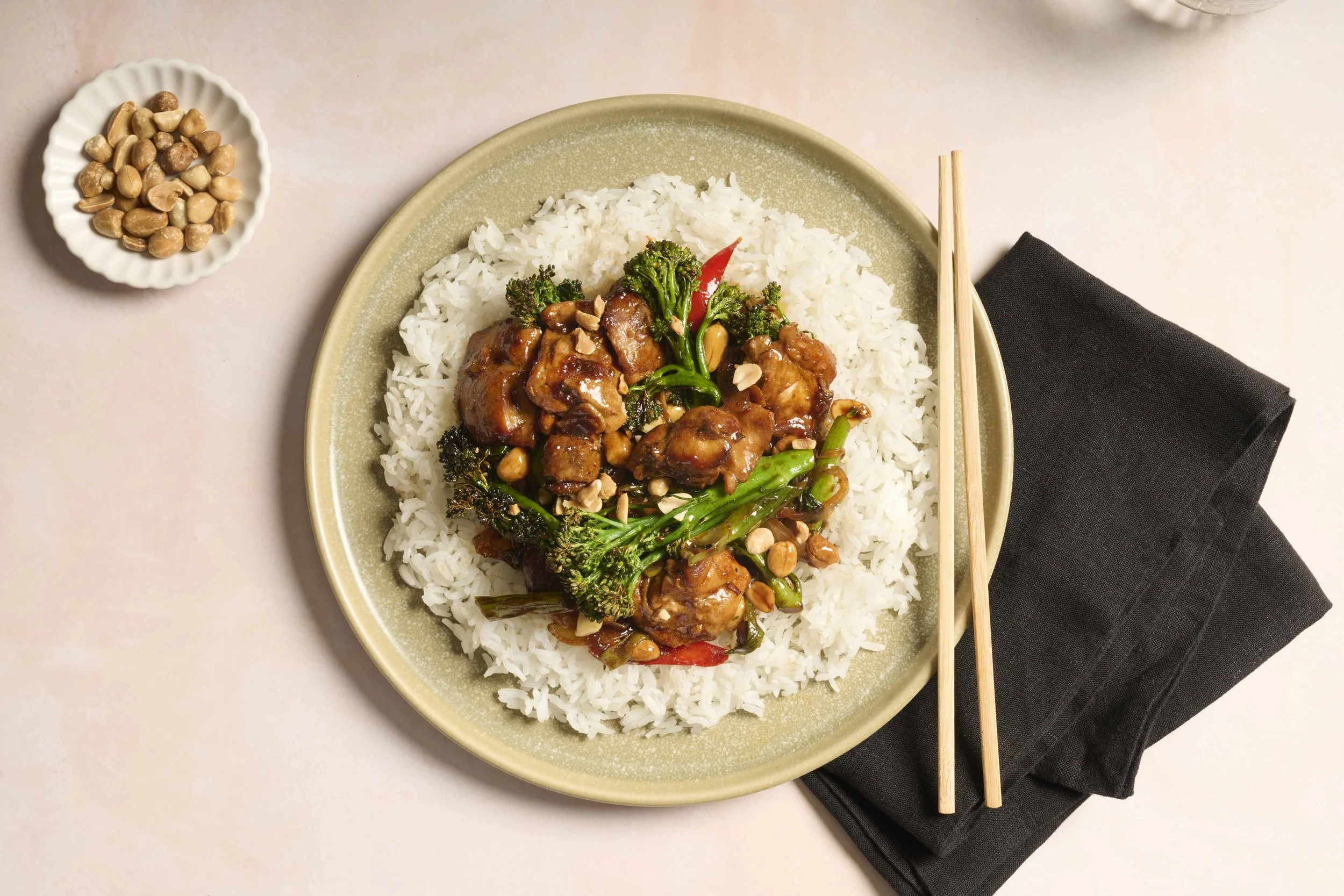
She developed a lifestyle-led visual direction, helping the client select props, tableware, surfaces and styling that would create the atmosphere of an inviting home dining experience.
The photography strategy combined aspirational food presentation with relatable everyday moments, helping bridge the gap between a convenient meal-prep product and the pleasure of a freshly served meal.
Execution
Germaine provided creative direction, prop selection, food styling and photography.
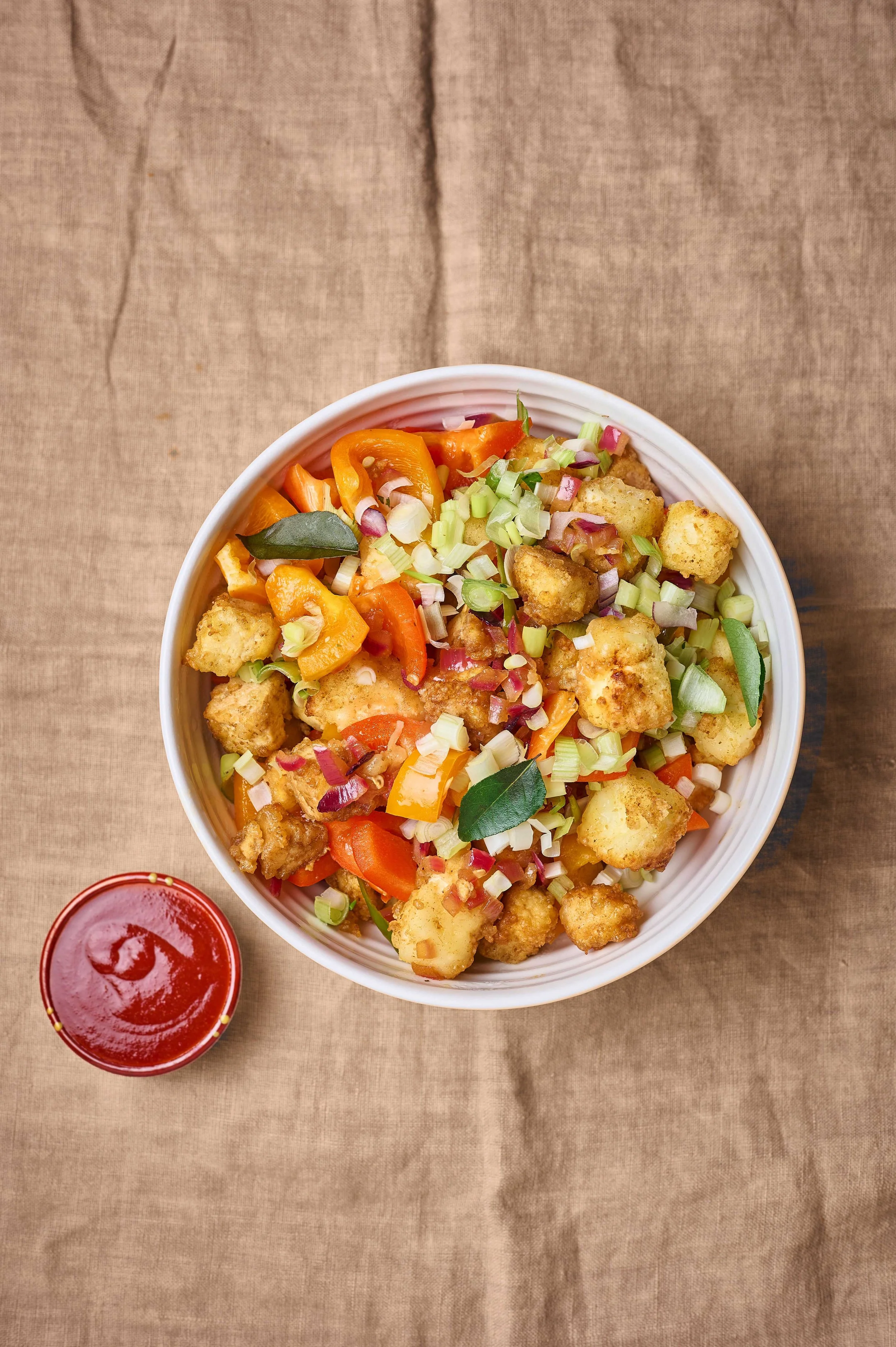
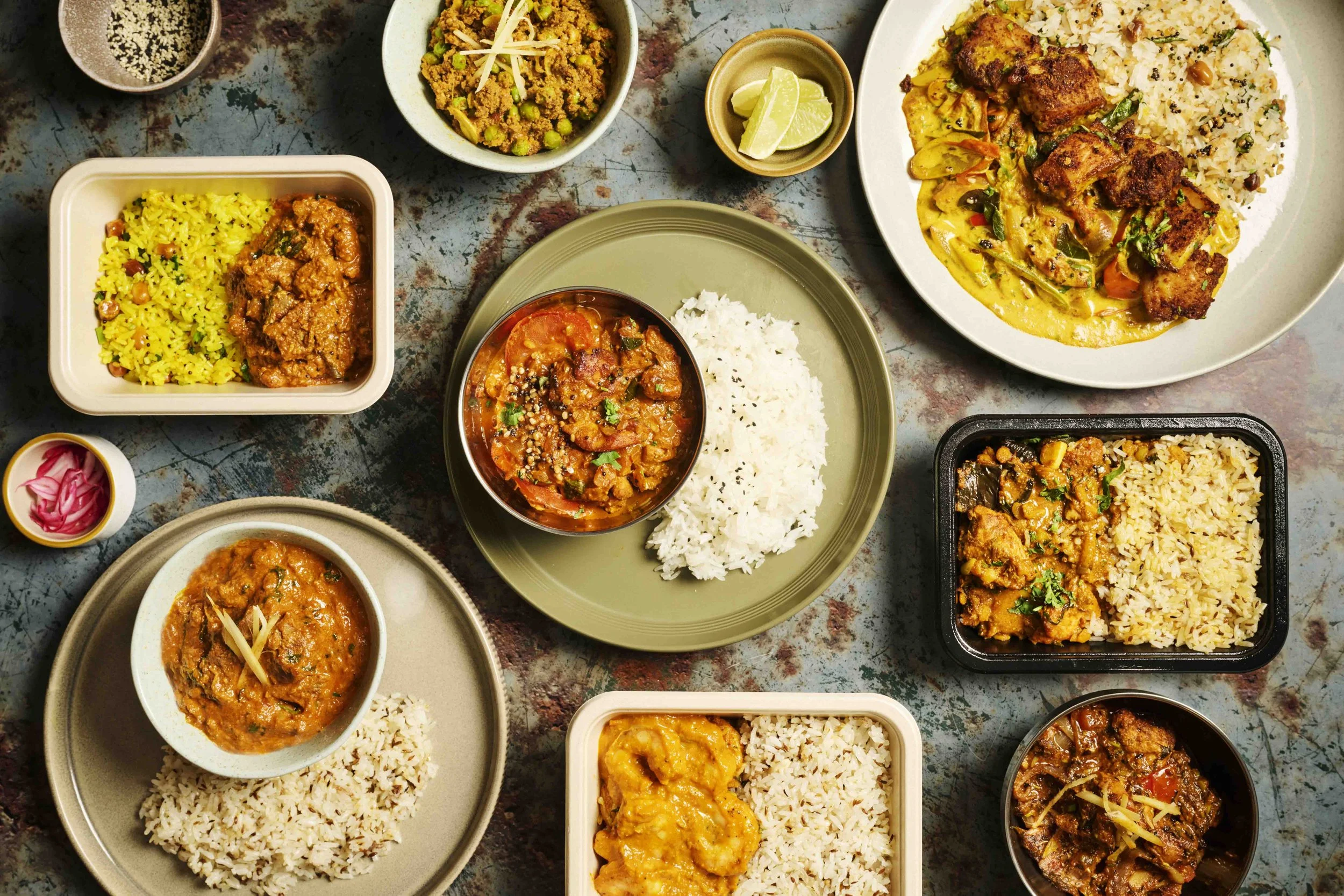
The shoot included beautifully plated individual dishes, grouped food arrangements and lifestyle images showing the meals being enjoyed.
Careful attention was given to lighting, composition, textures and colour to create a versatile collection of images suitable for different marketing applications.
Outcome
The final imagery gave Eat Ping a more lifestyle-oriented way to communicate its products.
Rather than simply showing customers what they would receive, the photographs helped illustrate how the meals could fit into an enjoyable dining experience at home.
The collection also provided a variety of visual assets for the brand's website, social media and wider marketing communications.
Case Study 3 : Health Coach Sujata Din
Turning Marketing Campaigns into Purposeful Brand Imagery
Overview
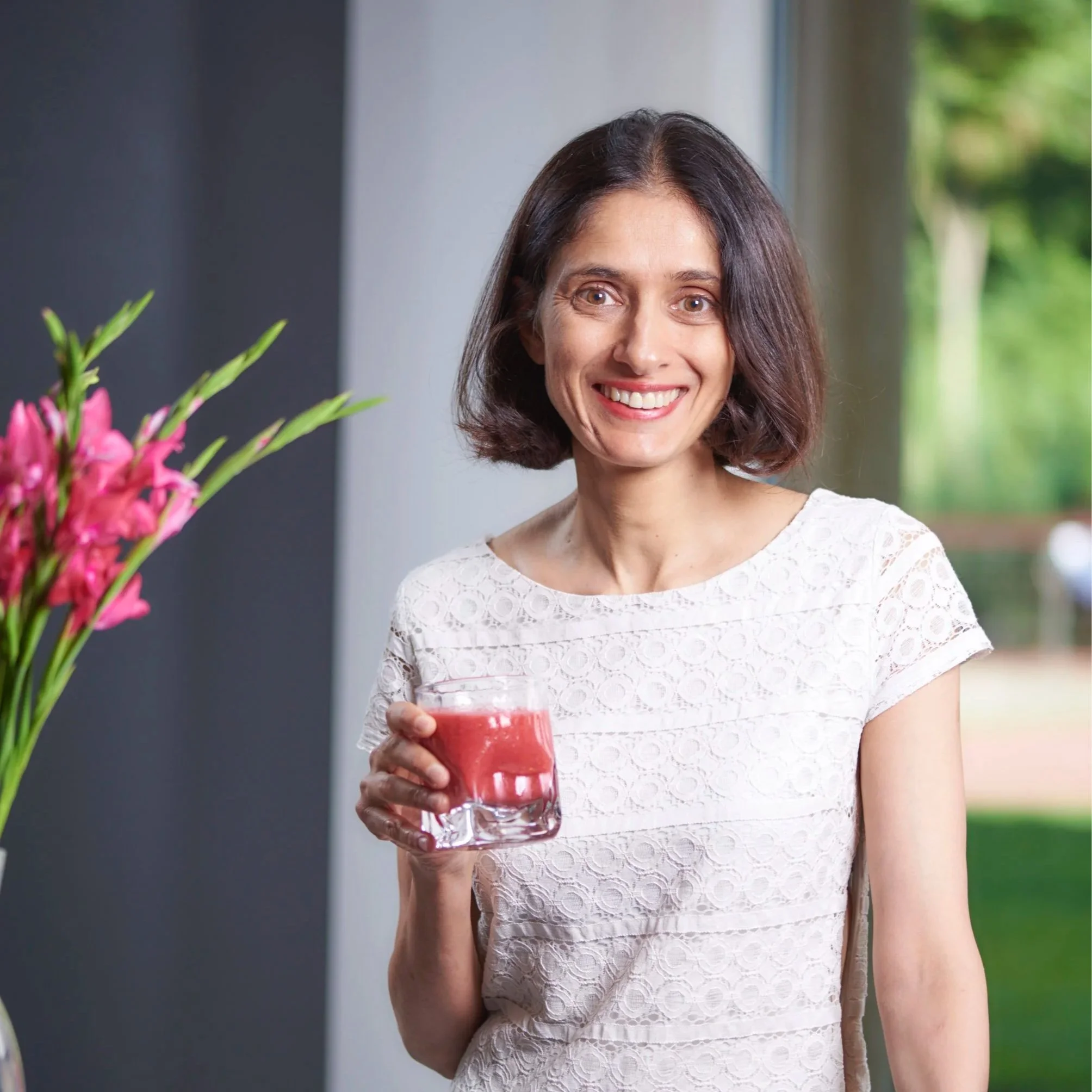
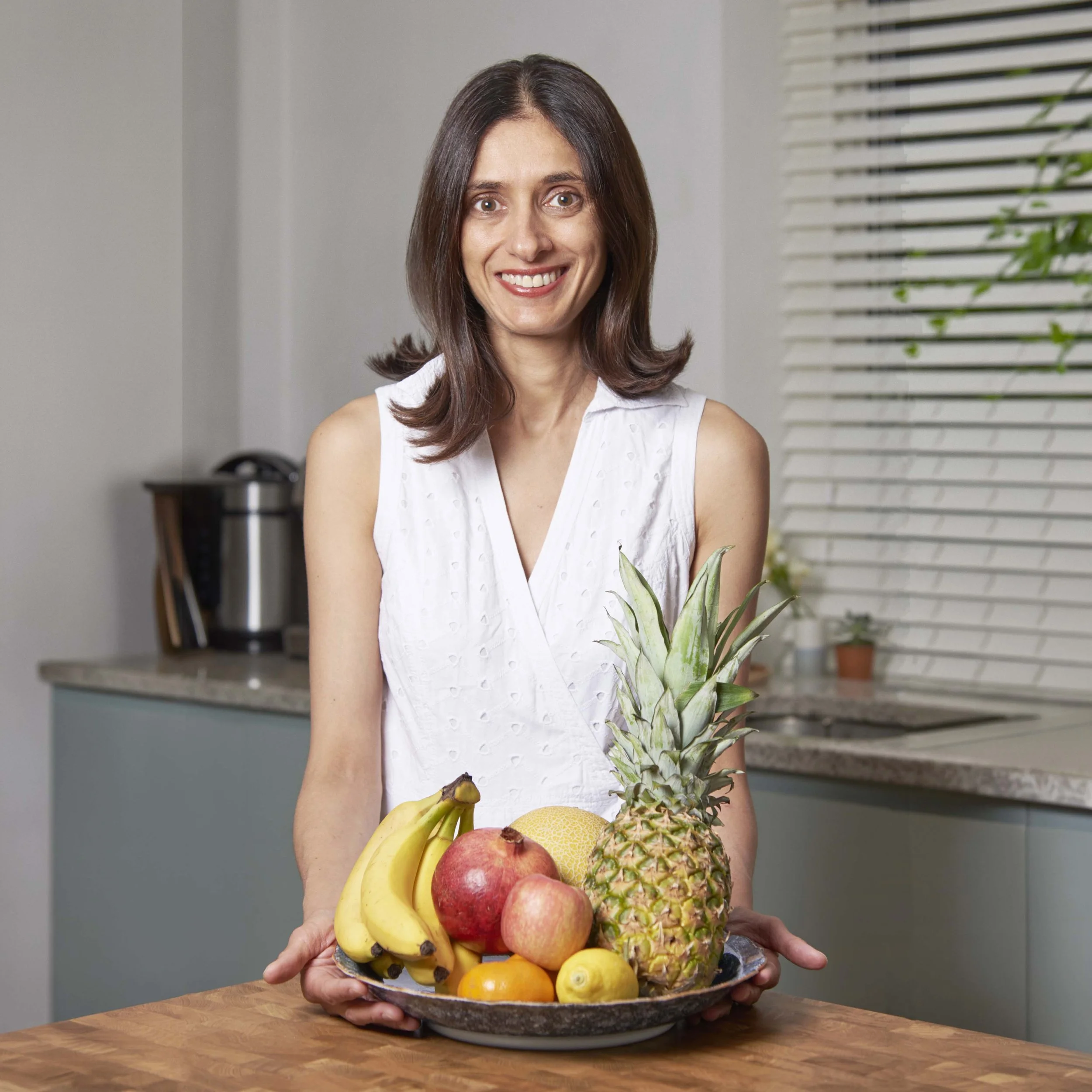
Sujata Din, a health coach and certified cancer coach, runs a variety of health, nutrition and wellness programmes throughout the year.
To support her changing marketing needs, she required a consistent collection of professional imagery that could communicate different campaign messages while maintaining a recognisable personal brand.

The Challenge
Different programmes and campaigns require different visual messages.
Generic brand photographs may look professional but do not necessarily communicate the purpose of a particular programme or connect with the intended audience.
Sujata needed more than a collection of portraits and food images. She needed photography that could support her marketing calendar and be relevant to the campaigns she was running.
The approach
Germaine began by understanding the client's upcoming campaigns, the audiences she wanted to reach and the messages each programme needed to communicate.
Rather than planning the photography in isolation, she translated these marketing objectives into visual concepts.
This involved considering the appropriate setting, styling, props, food presentation and compositions, ensuring each image had a clear role within the wider campaign.
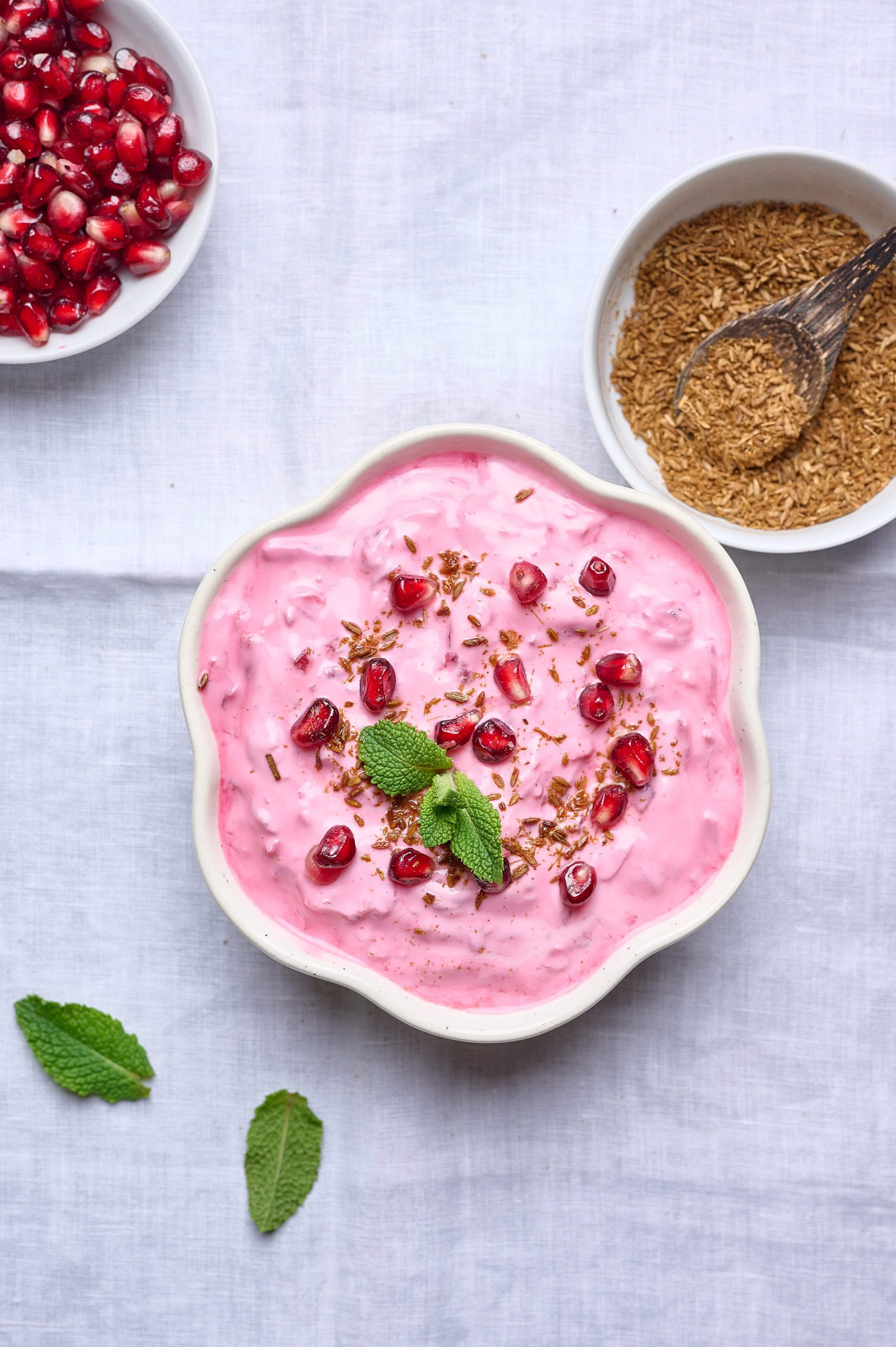
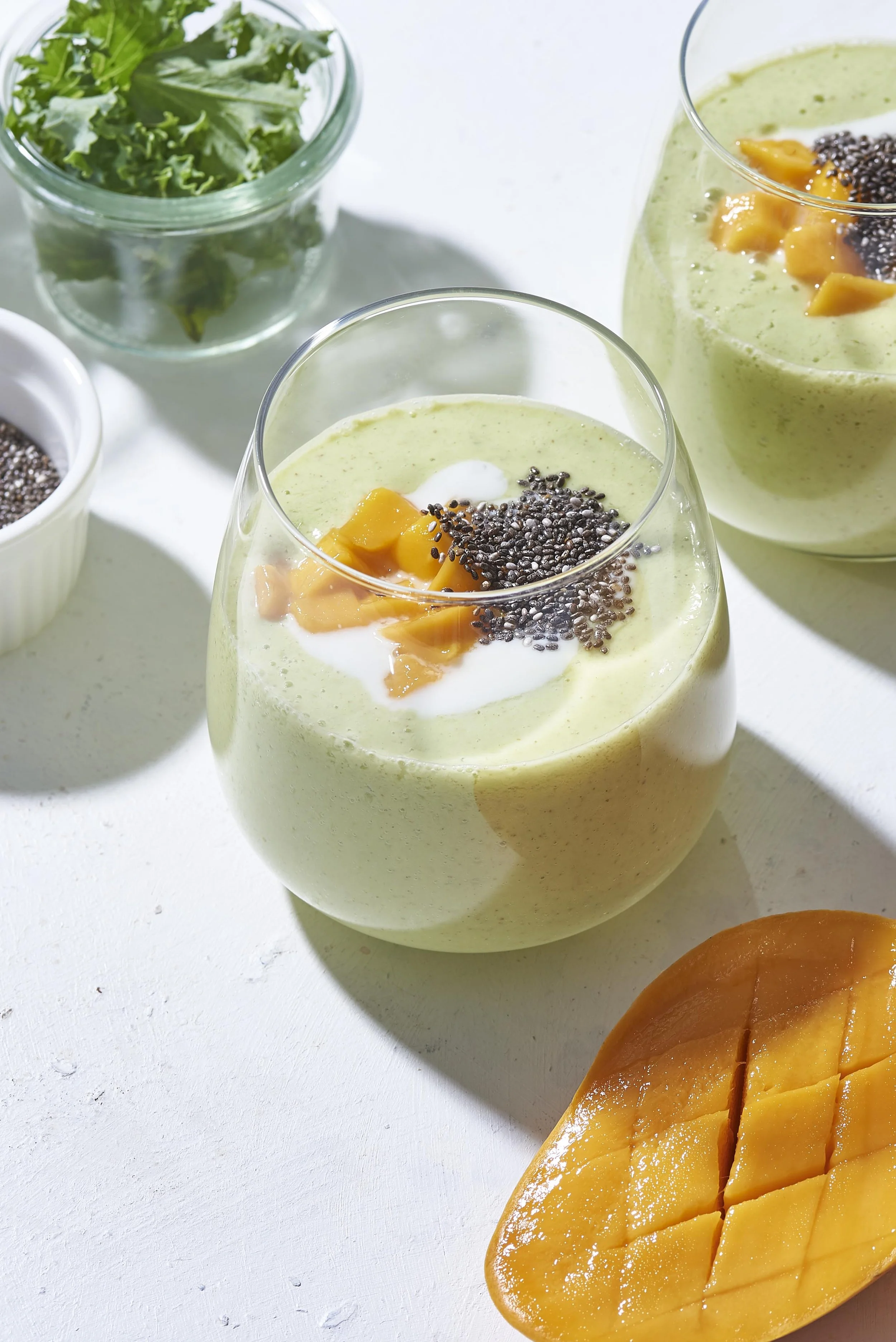
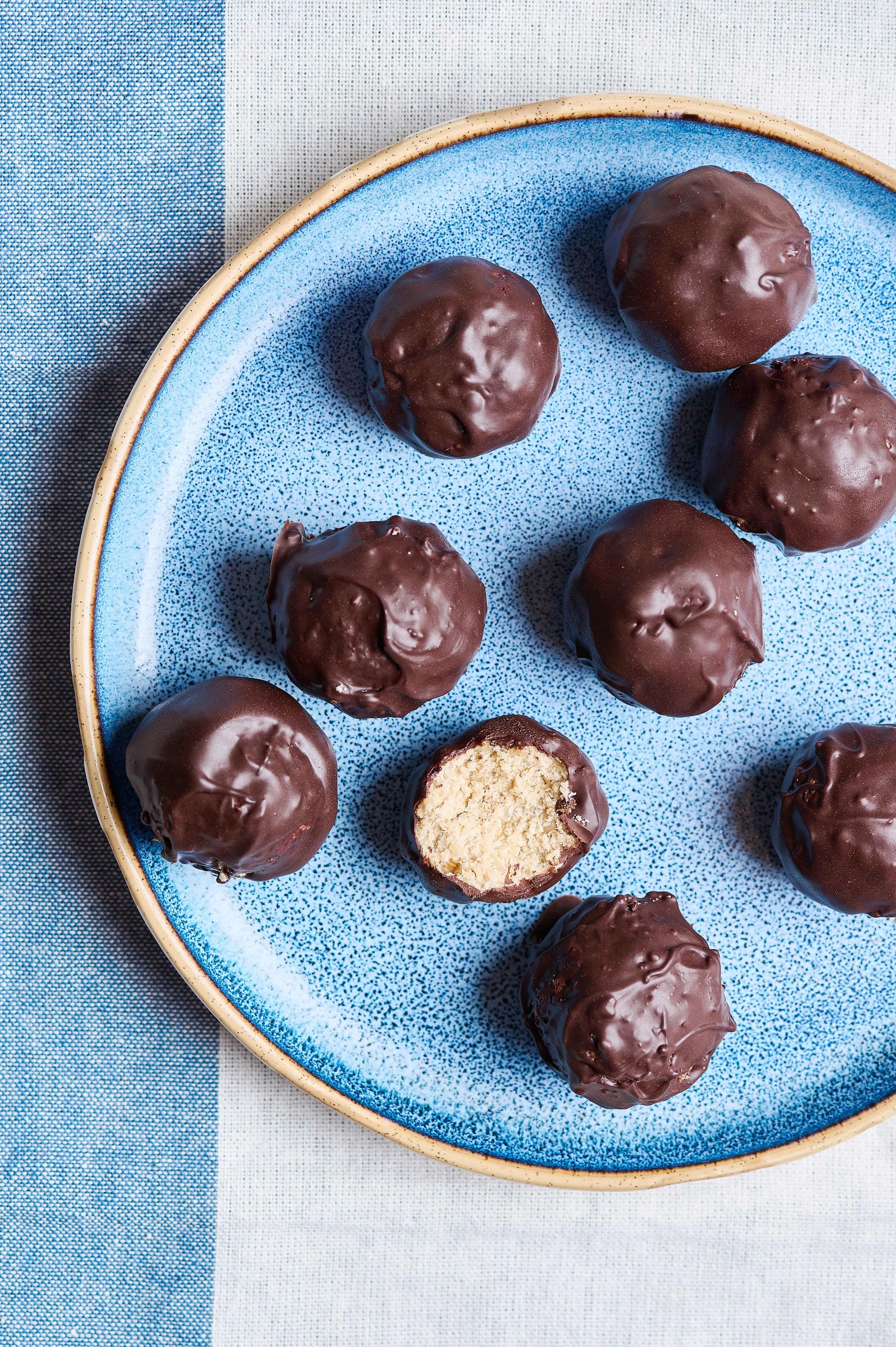
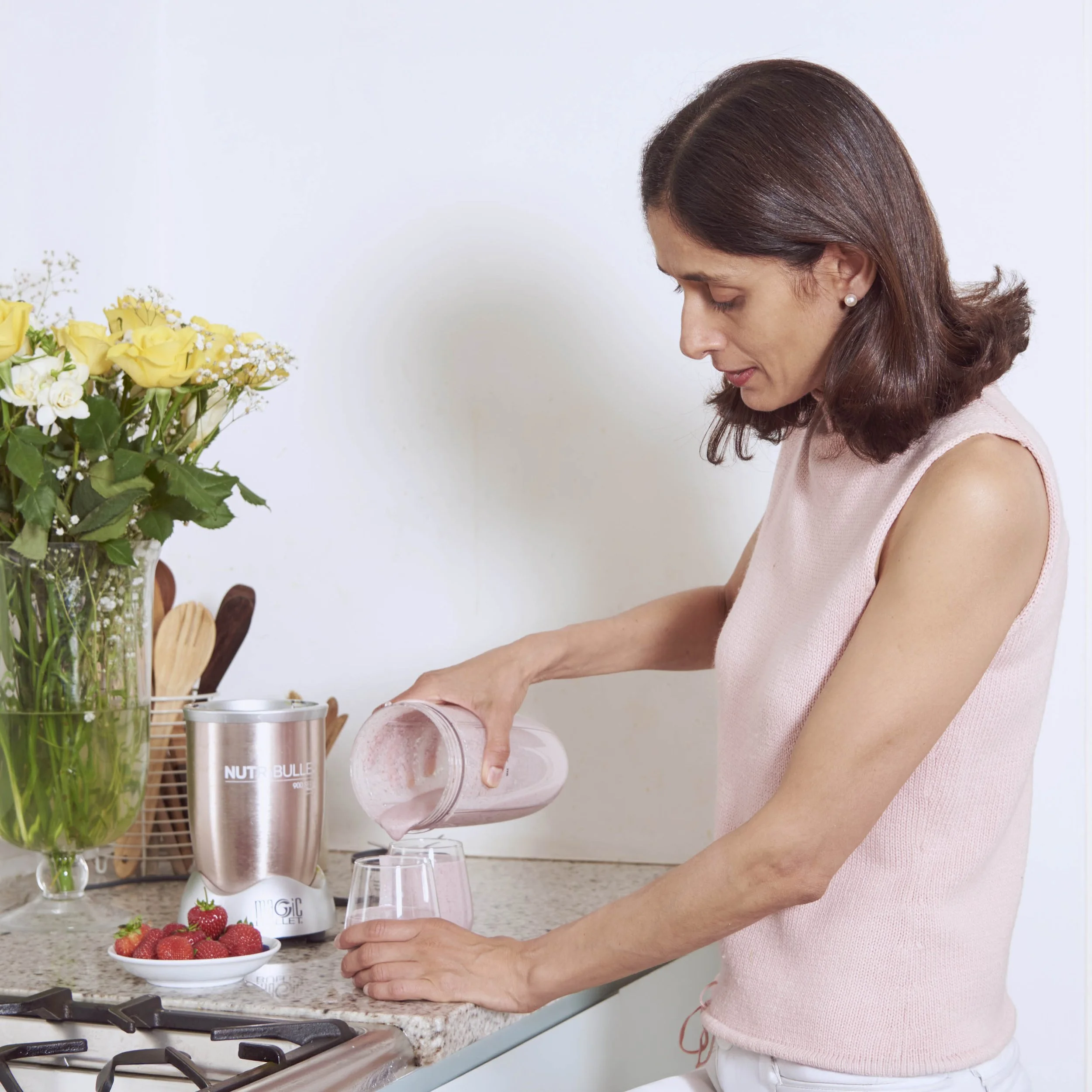
The approach combined personal branding, lifestyle photography and recipe imagery to communicate both Sujata's expertise and the practical, approachable nature of her wellness programmes.
Execution
Germaine planned and photographed a variety of campaign-led images, including personal branding portraits, food preparation, recipe photography and lifestyle scenes.
The shoots were designed to create a versatile collection of visual assets that could be used across websites, digital advertising, email marketing and social media.
Attention was given to maintaining a consistent visual identity while allowing each campaign to communicate its own message.
Outcome
The collaboration provided Sujata with a library of purposeful imagery developed around her marketing needs.
Instead of sourcing photographs to fit individual campaigns afterwards, she could draw on visuals planned with those campaigns in mind.
This made photography an integrated part of her content planning and brand communications rather than a standalone creative exercise.